

Cost of Vapor Barrier Installation in Gwinnett County, GA
Vapor barrier installation costs in Gwinnett County, GA, can vary depending on the scope of the project, the materials chosen, labor requirements, and specific site conditions. Factors such as the size of the area to be covered and the type of vapor barrier material selected can influence overall expenses. It is recommended to obtain detailed estimates from local providers to understand the potential costs for a particular project.
While typical project costs can provide a general idea, final pricing will depend on several variables, including the complexity of installation and site-specific challenges. Comparing different options and consulting with professionals can help identify the most suitable approach and budget considerations for vapor barrier installation in Gwinnett County, GA.

Typical Price Range
$1,200 - $2,800 (smaller scope)
$2,800 - $4,500 (moderate scope)
$4,500 - $7,000 (larger scope)
$7,000 - $12,000 (full coverage)
$12,000 - $20,000 (large-scale projects)
| Project Type | Typical Range |
|---|---|
| Basic Vapor Barrier | $1,200 - $2,500 |
| Insulation with Vapor Barrier | $2,000 - $4,000 |
| Complete Basement Encapsulation | $5,000 - $12,000 |
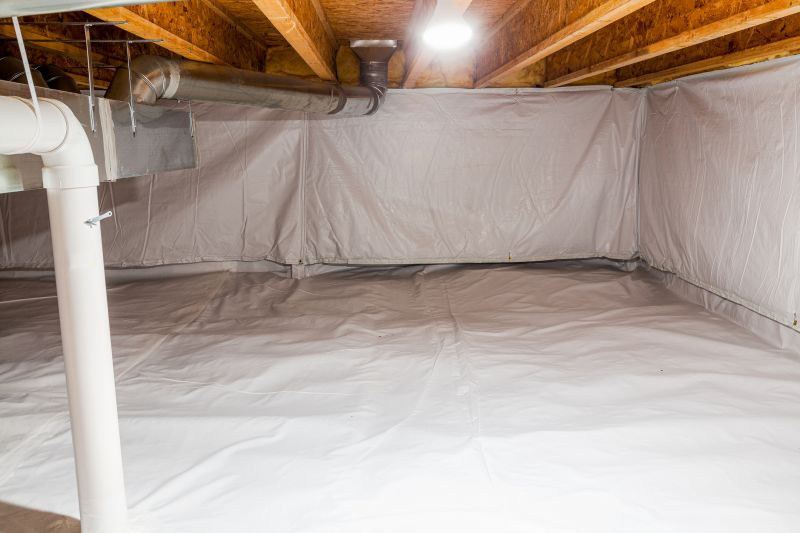
| Crawl Space Encapsulation | $3,000 - $7,000 |
| Garage Vapor Barrier | $1,500 - $3,000 |
| Foundation Wall Barrier | $4,000 - $8,000 |
| Full Structural Sealing | $10,000 - $20,000 |

Factors Influencing Cost
Installing a vapor barrier in Gwinnett County, GA, involves selecting appropriate materials and understanding the scope of work required for effective moisture control in crawl spaces and basements. Proper installation can help prevent mold growth and structural issues caused by excess humidity. This overview provides a neutral look at typical project considerations and options.
- Materials: Common vapor barrier materials include polyethylene sheets, typically 6-mil or 10-mil thickness, designed to resist moisture penetration and durability over time.
- Size and Scope: The installation generally covers the entire crawl space or basement floor, with dimensions depending on the area size and any additional sealing of walls or vents.
- Labor Complexity: The process involves laying out and securing the vapor barrier, sealing seams, and possibly attaching it to walls, which can vary from straightforward to more involved based on space accessibility and existing conditions.
- Permitting: Local building codes in Gwinnett County may require permits for vapor barrier installation, especially if it involves modifications to existing structures or insulation work.
- Extras: Additional components such as sealing vents, installing dehumidifiers, or insulating over the vapor barrier may be included to enhance moisture control and energy efficiency.